
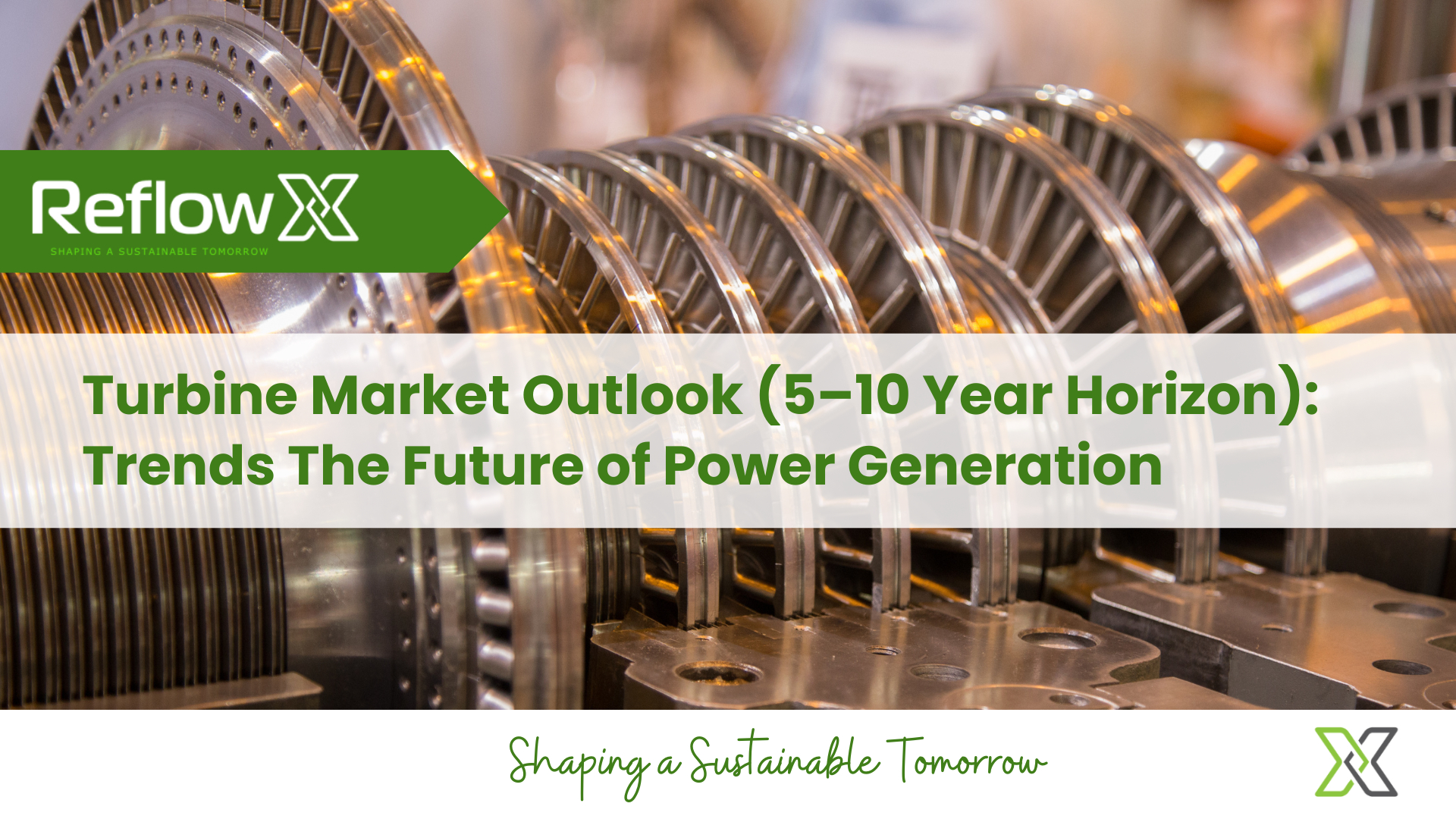
The global energy sector is changing a lot because people are using electricity and governments are making rules to reduce carbon. At the time we are using more renewable energy. In all this change turbines are still very important for making power in areas, including industries and cities.
If we look at what will happen to the turbine market in the 5 to 10 years it can help companies that make energy build power plants and create new technologies get ready for what is coming. The future of power turbines will be different because of things, like turbines that can use hydrogen and systems that combine different kinds of renewable energy. The turbine market will also change because of the need to be more efficient to use tools and to be more sustainable. The power turbine market will keep changing to meet these needs.
Global Turbine Industry Overview
Turbines are important in turning energy from fuels, steam, wind or water into electricity. Gas turbines are still very important for power generation that can change quickly and for keeping the power grid stable.
Recent studies show that the gas turbine market is going to grow a lot. The global gas turbine market is expected to grow from around USD 30 billion in 2025 to than USD 61 billion by 2035. This means it will grow at a rate of over 7% every year.
The growth of gas turbines is driven by people using electricity the need for power plants that can change output quickly and switching from coal-fired plants to natural gas plants that produce less emissions. Gas turbines are helping to make this transition happen.
Key Drivers Behind Turbine Market Growth
Several structural factors are shaping the power turbine market outlook through the next decade.
Rising Global Electricity Demand
Turbines are important in turning energy from fuels, steam, wind or water into electricity. Gas turbines are still very important for power generation that can change quickly and for keeping the power grid stable.
Recent studies show that the gas turbine market is going to grow a lot. The global gas turbine market is expected to grow from around USD 30 billion in 2025 to than USD 61 billion by 2035. This means it will grow at a rate of over 7% every year.
The growth of gas turbines is driven by people using electrical generator the need for power plants that can change output quickly and switching from coal-fired plants to natural gas plants that produce less emissions. Gas turbines are helping to make this transition happen.
Transition Toward Cleaner Energy
Governments around the world want to reduce carbon emissions from power generation. Gas turbines are better for the environment because they release carbon dioxide than coal-based systems. This makes gas turbines a good choice, for now as we try to make energy production cleaner.
We think that gas turbines that can use hydrogen and systems that combine wind power will help the gas turbine industry grow in the future. The gas turbine industry will keep growing because of these developments with the use of hydrogen-capable gas turbines and hybrid systems that integrate solar and wind power, which are becoming more popular.
Turbine Industry Trends Shaping the Next Decade
Several emerging turbine industry trends are transforming how power generation systems are designed and operated.
Hydrogen-Ready Turbine Technology
Manufacturers are making turbines that can work with hydrogen blends or pure hydrogen fuel. This is because they want to help reduce carbon in the run without losing power.
Turbines that can use hydrogen will probably be a deal for the next generation of gas turbines.
Hybrid Power Systems
Nowadays energy systems are changing to use a mix of things like gas turbines and renewable energy from the sun or wind.
These systems help keep the power grid stable by balancing out the ups and downs of energy and they do it in a very efficient way. Hydrogen turbines and hybrid power systems like these are going to be important, for hydrogen turbines and the future of energy.
Digitalization and Predictive Maintenance
Advanced monitoring technologies, digital twins, and predictive analytics are transforming turbine operations.
Digital tools enable operators to:
- Monitor turbine performance in real time
- Predict maintenance requirements
- Reduce downtime and operational costs
These innovations are becoming critical components of modern turbine lifecycle management.
Growth of Turbine Service Markets
Turbine service markets are getting bigger fast, and this is happening beyond just selling equipment. People need to take care of the machines fix them and make them better. This is going to be a big deal because a lot of the old machines need to be updated.
The part of the world that deals with gas turbine services is going to be huge it will be over USD 67 billion by 2030. This is because people want the machines to work well and be efficient. Turbine service markets, like gas turbine services are going to keep growing because people need these machines to work better.
Regional Market Outlook
The gas turbine market forecast shows strong regional variation based on energy policy, industrial growth, and infrastructure investments.
Asia-Pacific
Asia-Pacific currently dominates the global turbine market due to rapid economic growth and expanding power infrastructure. The region is also expected to experience the fastest growth through 2030. ()
Countries such as China, India, and Southeast Asian economies are investing heavily in new power generation capacity.
North America
North America is seeing increasing turbine demand driven by:
- Data Centre energy requirements
- Electrification of industries
- Grid modernization initiatives
Large technology companies and AI-driven data centres are significantly increasing electricity consumption, creating strong demand for gas turbine-based power generation.
Middle East and Emerging Markets
Energy-exporting countries and developing economies are building power plants that use gas to fire them. This helps them grow their industries and have energy.
These areas will still be markets, for powerful turbines and special kinds of power plants that use both gas and steam.
Challenges Facing the Turbine Industry
Despite growth prospects several challenges could affect the power turbine market.
Competition from Renewable Energy
The rapid growth of wind energy is changing the way power is generated. Power turbine makers must now develop technologies that work well with power systems.
Supply Chain Constraints
There are concerns about manufacturing issues and shortages of turbine parts through the 2020s. This is because demand, for turbines keeps going up.
Capital Cost Pressures
The rising cost of materials and complex engineering can make turbine projects more expensive. This might slow down turbine deployment in some areas.
The Future of Power Generation Turbines
Looking ahead, the future of power generation turbines will likely involve a combination of technological innovation and system integration.
Key developments expected over the next decade include:
- Hydrogen-compatible gas turbines
- Ultra-efficient combined-cycle plants
- Integration with renewable energy and battery storage
- Advanced digital monitoring and predictive maintenance
- Modular and distributed turbine-based power systems
These innovations will help turbines remain a critical part of global energy infrastructure even as renewable energy continues to expand.
Conclusion
The next ten years will be good for the turbine sector. This is because people are using electricity and we need to make energy in a way that is better for the earth. The turbine industry will keep playing a part in making electricity for the whole world.
People think the gas turbine market will keep growing. This is because countries are investing in infrastructure and companies are coming up with new technologies. At the time the turbine industry is changing with new ideas like using hydrogen as fuel combining different energy sources and using computers to manage turbines. These changes will make a difference, in how we make electricity with turbines.
For companies that work with energy technology, engineering solutions and industrial power systems it is important to understand what is happening with the turbine market. This will help them stay competitive in the energy world, which is changing fast. The turbine sector will keep changing. The turbine industry will have to adapt to new turbine trends and new ways of making energy with turbines.
 Prev Blog